Home › Private Road and Lane Paving
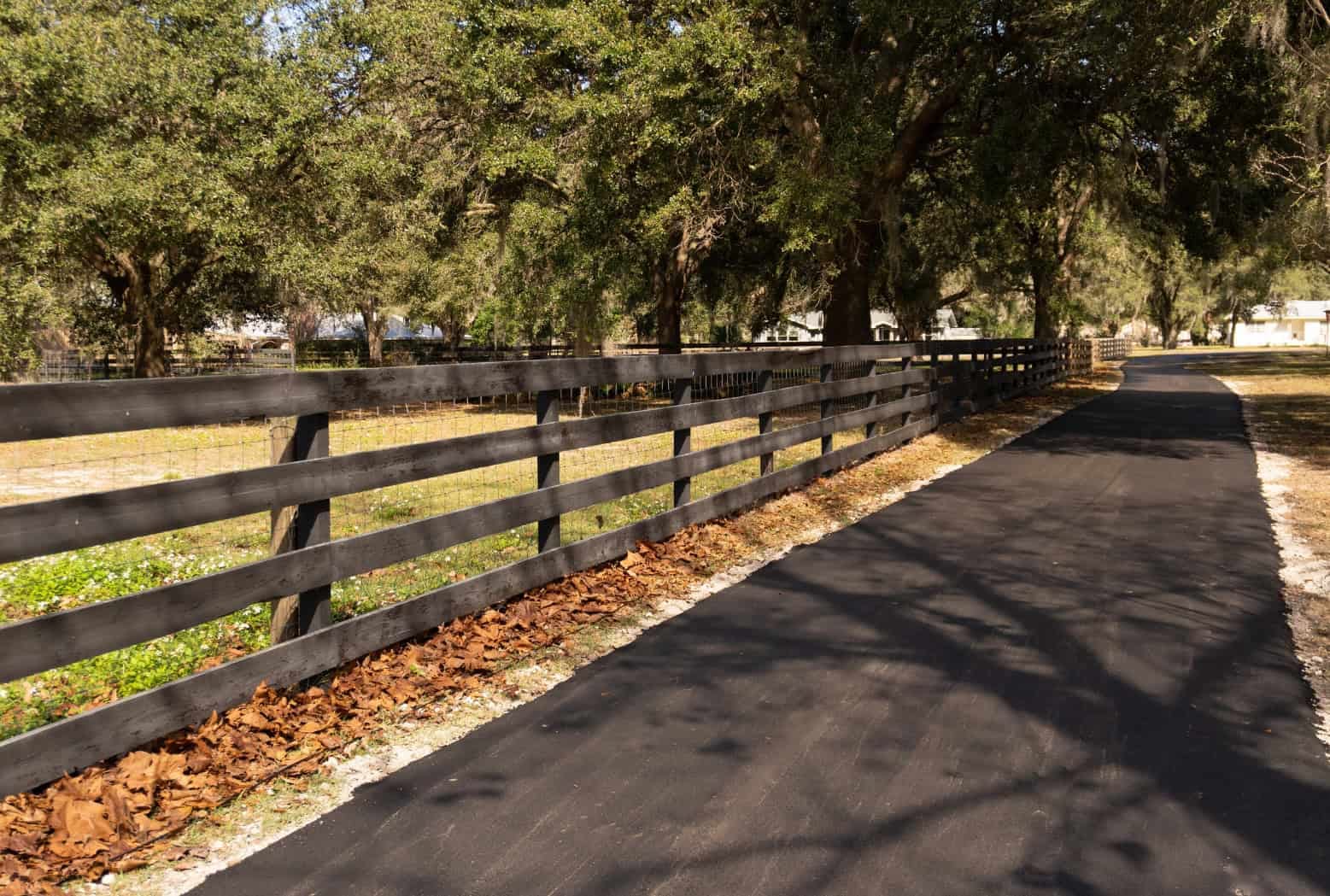
Improve access to your home or community with professional private road paving in St Louis, MO. We design and construct asphalt lanes that handle traffic, weather, and drainage demands. From rural drives to shared neighborhood roads, our team provides grading, base preparation, and asphalt paving tailored to your site conditions.
Precision Asphalt St. Louis provides professional private road paving throughout St Louis, MO, Missouri and the surrounding area. Our licensed, insured crew delivers safe, clean, on-time work with a free estimate before anything begins. Call (314) 333-7779 or request your free quote.
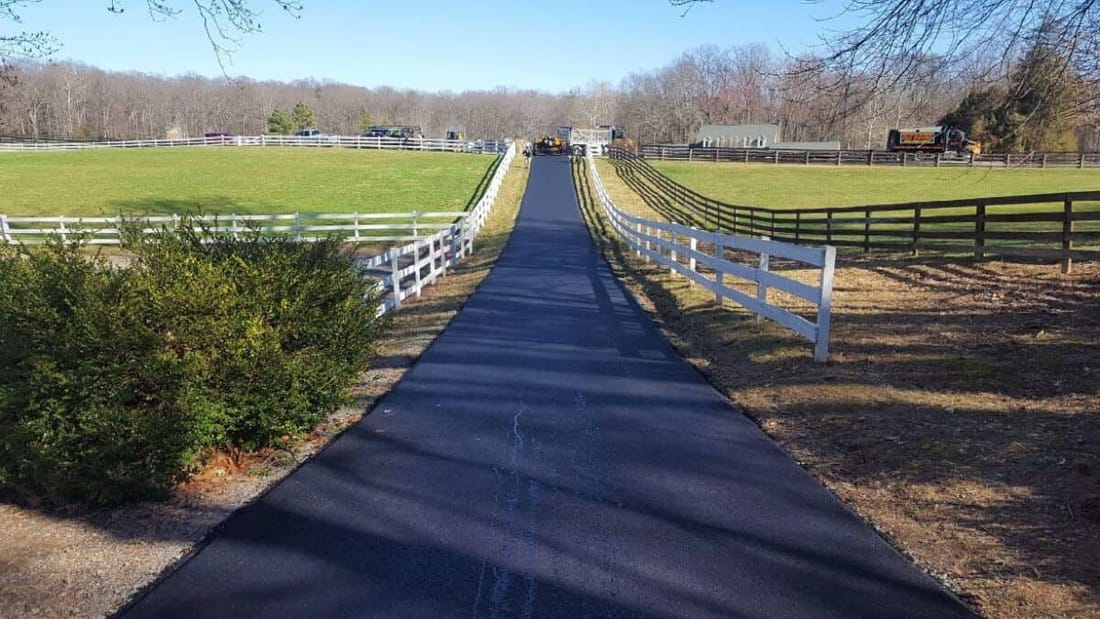
Private Road Paving Experts in St Louis, MO
Private roads in and around St Louis take a real beating from freeze thaw cycles, heavy rain, and regular traffic from residents, delivery trucks, and service vehicles. Precision Asphalt St. Louis focuses on designing and building private roads and lanes that match those real conditions instead of using a one size fits all approach.
We work with HOAs, shared drive owners, rural property owners, and commercial sites that need reliable access. Whether you are tying into a county road in St Charles County, creating a shared lane for a subdivision in South County, or building a long access drive in rural Jefferson County, we design the pavement structure to match the traffic and the soil.
From the first site walk, we are looking at slope, drainage patterns, existing gravel or pavement, and weak areas where vehicles already rut or washboard. Those details determine how thick the rock base needs to be, what asphalt mix to use, how wide the travel lane should be, and where to add shoulders so vehicles do not break the edges.
How We Design a Private Road That Actually Lasts
Every private road paving project starts with a detailed assessment rather than a generic square foot price. We check soil type (clay is common in the St Louis region and needs a stronger base), existing base thickness, culverts and ditches, and how water moves across and along the road.
Next we match the pavement cross section to your use. A light use lane that sees only cars can often use a 3 to 3.5 inch total asphalt thickness over 6 to 8 inches of compacted rock. A private road that regularly gets garbage trucks, septic trucks, or delivery box trucks usually needs 4 to 5 inches of asphalt over 8 to 12 inches of rock. For heavier use or poor soils we may recommend a geotextile fabric and thicker base course.
We also pay attention to geometry. Many older private roads are too narrow and have no usable shoulder, which leads to edge cracking when tires drop off the side. When there is room, we recommend travel lanes of at least 10 feet, often 11 or 12 feet for shared lanes, with 1 to 2 foot compacted shoulders for safety and durability. On hills we may suggest short widening zones where vehicles tend to pass each other.
Step by Step: Our Private Road Paving Process
Once design and scope are set, Precision Asphalt St. Louis follows a clear process so you know what is happening at each stage.
1. Site preparation and clearing. We remove vegetation, soft topsoil, and any unsuitable material. For existing gravel roads we blade and reshape the surface, cutting out soft spots and digging down to firm material. If your private lane has drainage issues, this is when we deepen ditches, replace clogged culverts, and reestablish proper flow.
2. Subgrade and base installation. We proof roll the subgrade with heavy equipment to find weak areas that deflect. Soft spots are undercut and replaced with rock. Then we install and compact crushed rock in lifts, typically CA-6 or similar aggregate, using vibratory rollers. Proper compaction is critical in our freeze thaw climate because trapped moisture in an underbuilt base is what leads to potholes after winter.
3. Grading and shaping. We set the road crown so water sheds to both sides, or install a cross slope that moves water toward a ditch on one side. In low lying parts of St Louis County where standing water is common, this shaping is more important than the asphalt itself. We aim for quick drainage off the surface and away from the structure.
4. Asphalt paving. A tack coat is applied to bind new asphalt to the base or existing surface. We install the asphalt in one or two lifts, depending on total thickness, using a commercial paver. Each lift is compacted with steel and rubber tire rollers to reach target density. We join the new asphalt cleanly to existing streets or driveways to avoid abrupt bumps.
5. Detailing and cleanup. We finish driveway tie ins, clean up shoulders, and where specified we add aggregate shoulders or topsoil and seed along the edges. At the end, we walk the length with you to confirm drainage, access points, and any specific concerns are addressed.
Material Choices for Private Roads and Lanes
Most private roads in our area are built with hot mix asphalt because it handles temperature swings better than many alternatives and is repairable without tearing everything out. Precision Asphalt St. Louis uses mixes that meet MODOT or local specs, then adapts the exact blend to the use. For example, a tighter, finer surface mix is ideal where you want a smoother, quieter ride, like in a subdivision. A coarser, more robust mix may be better for long rural drives with heavier traffic.
If you have an existing gravel lane, we can often convert it to asphalt using the existing base. We will test the depth and quality of that rock. When the gravel base is deep and well compacted, we can save cost by only reinforcing weak sections instead of rebuilding everything. Where the base is too thin, we will explain the risk of overlaying as is, so you can make an informed decision.
For very long rural roads where budget is tight, we can sometimes phase work: first rebuilding the base and paving only the highest traffic section, then overlaying the rest in a later season. We can also discuss chip seal or double seal coat over regraded gravel as an interim step, explaining the tradeoffs in ride quality, life span, and maintenance compared to full depth asphalt.
What Drives the Cost of Private Road Paving
Private road paving costs are driven by more than just length. The biggest factors are base work, access, drainage corrections, and the asphalt thickness needed to handle your vehicles.
Base work is usually the largest variable. If we can use much of your existing gravel, costs stay lower. If the road has long soft sections, standing water, or years of patching over mud, we may need extensive excavation and new rock. Because St Louis has a lot of clay soils, skipping this step often costs more later when the pavement fails prematurely.
Access matters as well. Long, narrow wooded lanes, steep grades, limited turn around space for trucks, or overhead trees that must be trimmed all affect equipment and delivery plans. We evaluate this during the on site visit so our proposal reflects real conditions, not guesses.
Thickness and width are the other main drivers. A narrow 10 foot lane with light traffic and limited base preparation will be very different in cost from a 14 foot road with heavy truck use and a thick base. We will show you how different design options affect cost and estimated life so you can see where upgrades are worth the investment.
Finally, timing can influence price. Peak paving season in St Louis runs from late spring through early fall. Planning work earlier in the season can make scheduling easier, and for large projects we can sometimes offer better pricing when we can coordinate with nearby work.
Local Conditions, Timing, and Common Private Road Issues
Our climate shapes how and when private road paving should be done. Asphalt needs both suitable temperatures and dry conditions to compact properly. Precision Asphalt St. Louis generally schedules new private road paving from April through October, though exact timing depends on spring rains and fall temperatures.
Common issues we see on older private roads in the St Louis area include edge cracking from narrow lanes, alligator cracking where heavy trucks repeatedly use the same tracks, and potholes forming in spots where water sits or where the base was never compacted correctly. On hills, we also see raveling and washouts where water runs straight down the lane.
When we inspect an older private road, we determine whether it can be milled and overlaid or whether sections need full depth reconstruction. A simple overlay is usually possible when the pavement is mostly sound and problems are limited to surface cracking. If there are widespread base failures, we target those for dig out and rebuild so the overlay is not just hiding deeper problems.
We also look ahead. If you expect more traffic in the next few years, such as a new home build at the end of a private lane, we size the pavement for that future load so you are not tearing it up and starting over later.
What to Expect When You Hire Precision Asphalt St. Louis
Before any work starts, we provide a detailed written proposal that outlines the pavement structure, base repairs, drainage improvements, and total square footage. You will know what materials we are using and how thick each layer will be, not just a lump sum price.
On the job, we coordinate access so residents, delivery drivers, and emergency vehicles can still reach properties whenever possible. For longer roads we often work in sections so there is always a usable path. We communicate ahead of time about temporary closures, curing time before traffic returns, and any restrictions on heavy trucks in the first few days.
After completion, we walk the project with you and explain recommended maintenance, such as when to plan for crack sealing or sealcoating, how to deal with snow plowing without damaging edges, and what to watch for after major storms. Our goal is not only to build a private road that looks good on day one, but to give you the information needed to keep it strong through many St Louis winters.