Home › Asphalt Pathways, Sidewalks, and Trails
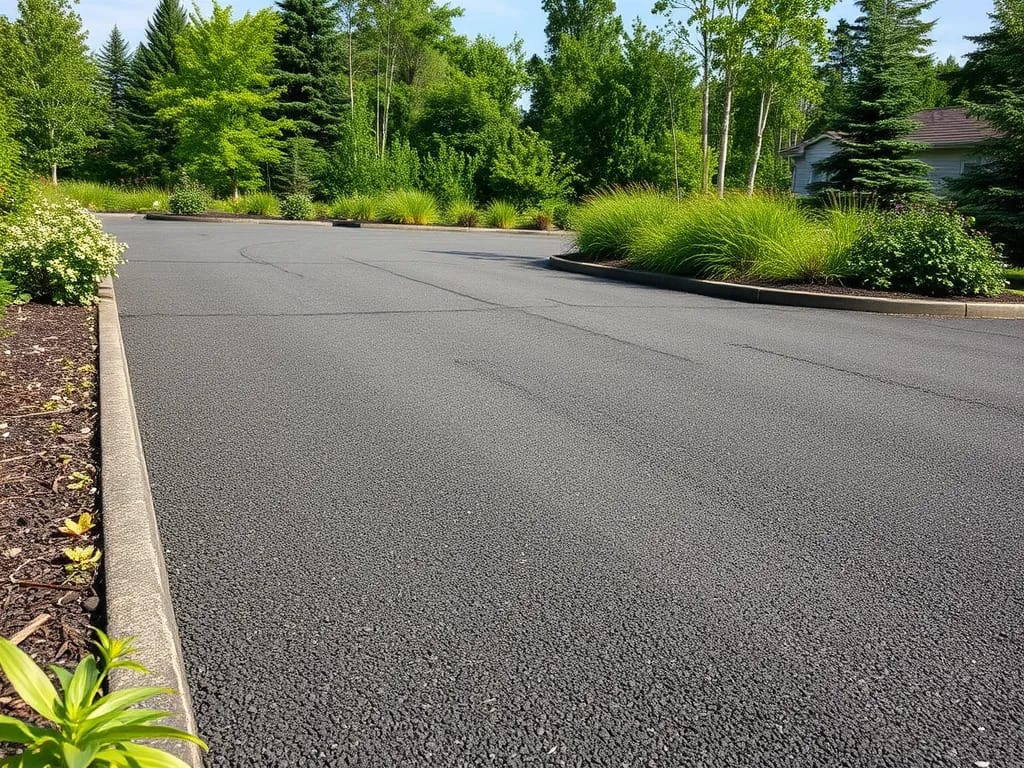
Enhance access and recreation with asphalt pathway paving in St Louis, MO. We construct multi use trails, sidewalks, and pathways for parks, campuses, and communities. Our designs balance comfort, safety, and drainage so walkers, joggers, cyclists, and wheelchairs enjoy smooth, dependable surfaces.
Precision Asphalt St. Louis provides professional asphalt pathway paving throughout St Louis, MO, Missouri and the surrounding area. Our licensed, insured crew delivers safe, clean, on-time work with a free estimate before anything begins. Call (314) 333-7779 or request your free quote.
Asphalt pathways, sidewalks, and trails built for St. Louis conditions
When you hire Precision Asphalt St. Louis for asphalt pathway paving, you are getting paths designed specifically for how people actually use them in our area. We build neighborhood sidewalks, park loops, greenway connectors, school walking routes, and access paths for commercial properties across the St. Louis metro.
Our first step is a site walk with you. We look at how water moves across your property, where people naturally walk, the location of trees and roots, and the existing base material. St. Louis clay soils, freeze and thaw, and summer heat all affect how a pathway will hold up. We design thickness, slope, and drainage around those realities instead of using a one size fits all template.
We also help you decide on route width and layout. A private backyard path may work at 3 to 4 feet wide, while a neighborhood sidewalk usually needs 4 to 5 feet. Multi use trails that see bikes and strollers often start at 8 feet and go wider in busier areas. Precision Asphalt St. Louis will talk through current use and future growth so you do not end up with a path that feels cramped within a few years.
How we build a long lasting asphalt pathway or sidewalk
Durability starts under the asphalt. For new pathways, we excavate soft soil and organic material until we reach stable ground. We then install and compact a crushed stone base, usually 4 to 8 inches thick depending on soil conditions and expected traffic. In many parts of St. Louis County the native soil holds water, so we take extra time with compaction and sometimes use geotextile fabric to separate the base from the clay.
Once the base is tight and graded, we pave with hot mix asphalt delivered from local plants. For typical pedestrian pathways, we usually install 2 to 3 inches of asphalt after compaction. For trails that may see light maintenance vehicles, utility carts, or emergency access, we may recommend thicker sections or a stronger mix design. Everything is machine laid where possible for a smooth, consistent surface, and hand finished at edges and around tight curves.
Control of water is just as important as thickness. We slope paths slightly, usually 1.5 to 2 percent, so water runs off instead of ponding. In yards and parks we often match grades to existing swales or add small shallow ditches and inlet drains where needed. On hillsides we may add check points and transitions so water does not cut channels along the edge of the pavement. Our crews check drainage with levels and straightedges before we compact the final surface.
Material options, finishes, and edge details
Asphalt pathways are not all the same black strip. Precision Asphalt St. Louis offers several mix and finish options that change how your path looks, feels, and performs. Standard hot mix asphalt gives a smooth, uniform surface that works well for most sidewalks and trails. For residential settings where appearance matters, we can use a finer aggregate surface course that looks tighter and feels smoother underfoot and under bicycle tires.
If you want a more natural look in a park or garden, we can discuss colored sealers, tinted borders, or combining asphalt with stone or brick accents. Asphalt itself is generally black, but the way we finish and seal it can reduce glare or blend better with landscaping. We also plan edge treatments. Options include simple compacted soil and seed, concrete or brick edging to hold the pavement in place, or steel edging for sharper lines in modern landscapes.
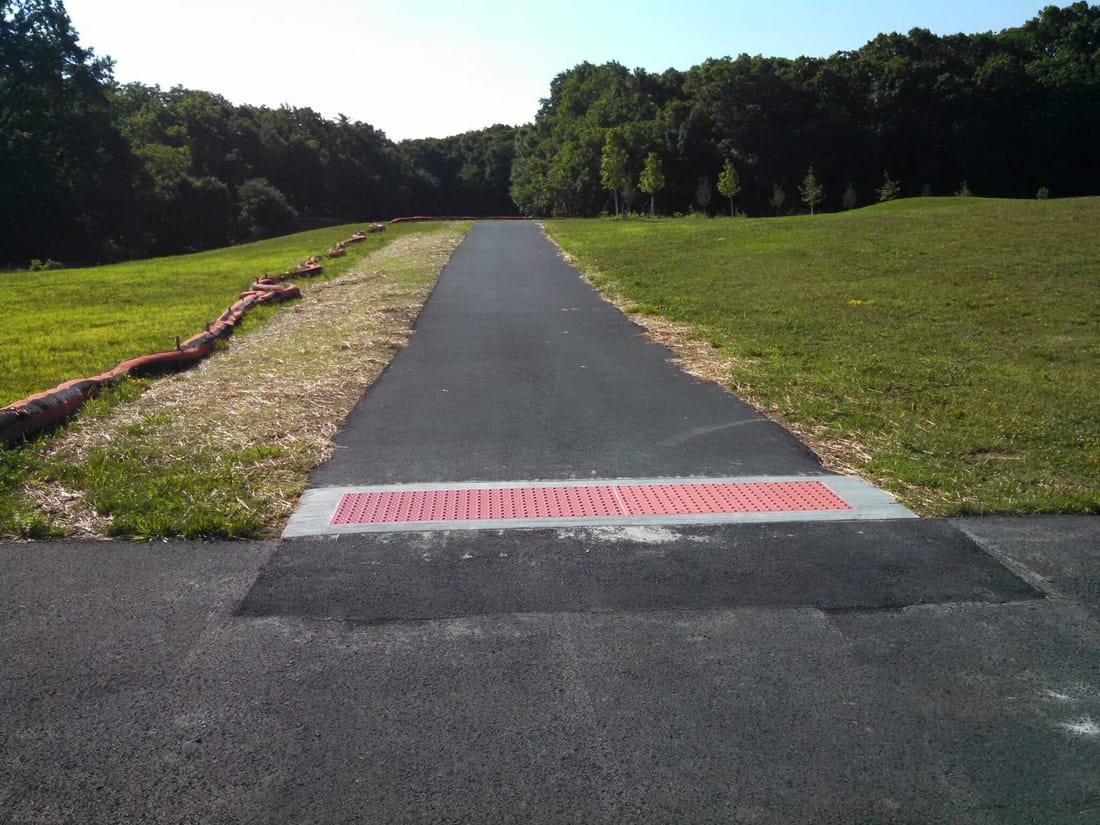
On multi use trails, we often recommend striping and simple signage to organize walkers, runners, and bikes. High visibility crosswalks where paths meet streets can be added using thermoplastic markings. For ADA compliance at street crossings and ramps, we integrate tactile warning panels and control slopes so wheeled users can move safely and comfortably.
What affects cost for asphalt pathway paving in St. Louis
Customers often ask why two pathways of similar length can have very different prices. The main cost drivers are access, excavation, base work, thickness, and features. If the crew can reach the area directly with paving equipment, you save on time and labor. If material has to be moved by wheelbarrow or small machines through tight side yards, expect more labor cost.
Existing conditions matter a lot. If we can use a sound gravel drive or trail base and only need to fine grade it, costs stay down. If we hit deep soft clay, heavy root zones, or old buried concrete, we need more excavation and stone, which adds to the budget. In flood prone parts of the metro, especially near creeks, we sometimes design thicker bases or use stabilizing fabric, which is an added expense but essential to avoid future heaving and rutting.
Pathway width, thickness, and design details also drive pricing. A narrow, straightforward residential walkway with simple edges is the most economical. An 8 to 10 foot community trail with thicker asphalt, engineered drainage, striping, and decorative edges will cost more per linear foot. Precision Asphalt St. Louis gives line item estimates so you can see exactly what each step and option costs and make informed decisions.
Common problems and how we prevent them
Typical asphalt pathway issues in the St. Louis area include cracking from tree roots, low spots that hold water, and edges that break down under lawn equipment. When we walk your property, we map existing tree roots and adjust the route when possible. Where trees must stay close to the path, we may thicken the base and asphalt or use root barriers to reduce uplift pressure.
To avoid low spots, we do not rely only on rough grading. Our crews check subgrade and base elevations carefully, then recheck after the first paving pass. If we see an area that looks like it may settle, we correct it before compaction. This is especially important in backyards where old fill material or buried debris is common.
Edge failure often comes from mowers driving partially on and off the pavement season after season. Solutions include thicker edges, concrete or brick edging for high traffic sides, or slightly widening the paved surface so equipment stays fully supported. For public trails, we also look at where vehicles may occasionally leave the pavement, such as at maintenance access points, and reinforce those sections so the edge does not crumble.
Maintenance plans are simple but important. We usually recommend sealing after the first year, once the asphalt has cured, then resealing every few years depending on sun exposure and use. Precision Asphalt St. Louis can inspect existing paths, patch localized failures, and overlay when the surface is worn but the base is still sound, saving you from a full rebuild.
What St. Louis property owners should know before hiring a pathway contractor
Before you choose a contractor for asphalt pathway paving, take time to define how the path will be used over the next 10 to 20 years. Think about strollers, wheelchairs, delivery carts, or light vehicles that might need access. Share this with your estimator so the design matches real world use. Do not let anyone talk you into cutting thickness or base to win on price if you know the path will see more than foot traffic.
Local references matter. Ask for examples of completed walks or trails in St. Louis neighborhoods with similar soil and drainage to yours and look at them in person. You should see smooth transitions at driveways and street crossings, no obvious standing water, and clean edges. Precision Asphalt St. Louis is happy to point you to past projects so you can see how our work holds up through our freeze thaw cycles and summer heat.
Also confirm your contractor understands local codes and ADA considerations for public facing sidewalks and paths. Many municipalities in our region have specific standards for width, cross slope, and curb ramps. If your project ties into city sidewalks or public right of way, the work must align with those requirements to avoid costly rework.
Finally, make sure you receive a clear written scope. This should spell out excavation depth, base thickness and material, asphalt thickness, mix type, drainage measures, and any striping or edging. With that in hand, you can compare proposals fairly and know exactly what Precision Asphalt St. Louis is providing and what you are paying for.