Home › Commercial Gravel-to-Asphalt Conversions
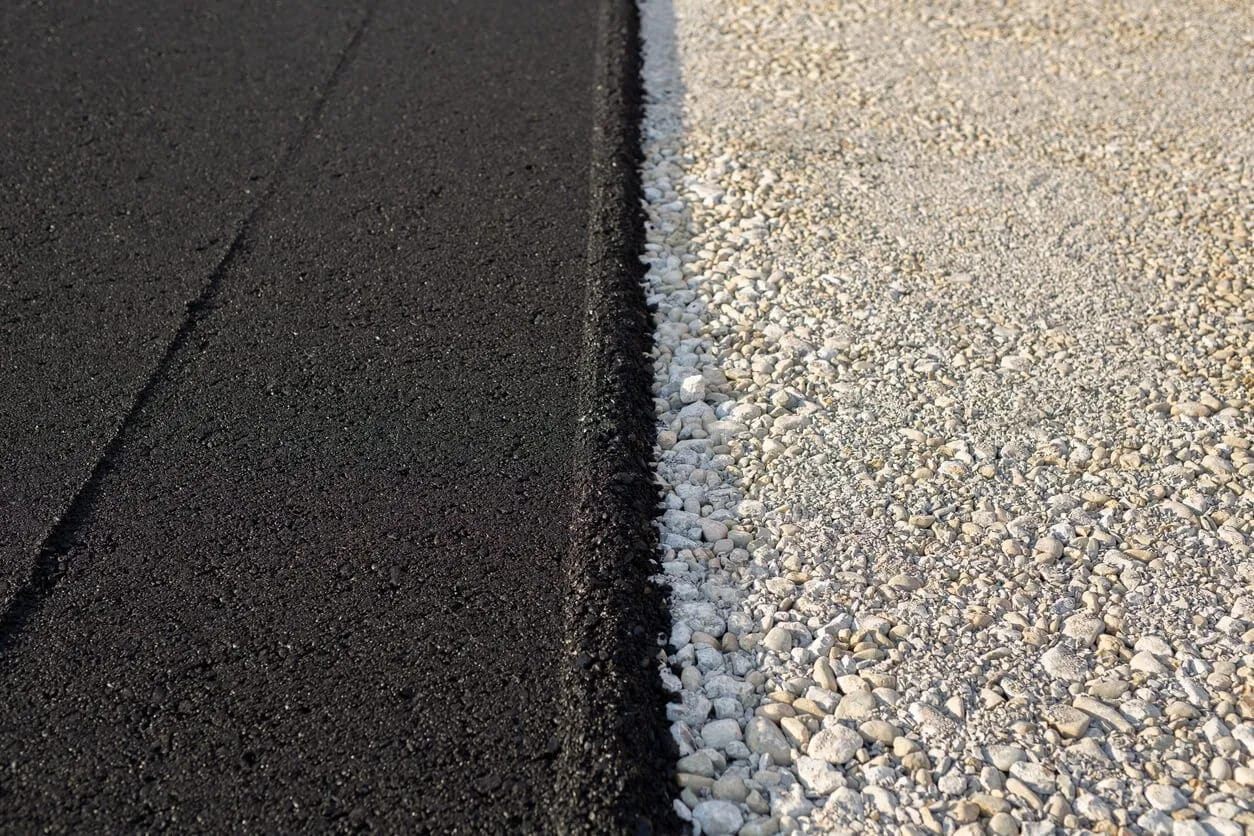
Upgrade dusty, uneven gravel lots with commercial gravel to asphalt conversions in St Louis, MO. We reshape and compact the existing aggregate, add base as needed, and pave a smooth asphalt surface for customers and trucks. This improves appearance, drainage, and year round usability for businesses, churches, and facilities.
Precision Asphalt St. Louis provides professional commercial gravel to asphalt throughout St Louis, MO, Missouri and the surrounding area. Our licensed, insured crew delivers safe, clean, on-time work with a free estimate before anything begins. Call (314) 333-7779 or request your free quote.
Turn Your Gravel Lot Into a Reliable Asphalt Surface
If you manage a commercial property in St Louis, you already know how frustrating a gravel lot can be. Potholes after every rain, dust on customers’ cars, mud tracked into your building, and constant regrading costs. Precision Asphalt St. Louis focuses on commercial gravel-to-asphalt conversions that solve those problems for good and make your property look more professional.
A conversion is not just spreading asphalt over rock. Done correctly, it is a full rebuild of the driving surface that starts with evaluating your existing gravel base, drainage, and traffic patterns. We look at how semi trucks turn, where customers walk, where water currently collects, and how close we are to buildings, loading docks, and ADA routes. From there, we design a commercial asphalt section that matches St Louis soil conditions, freeze-thaw cycles, and your specific use, whether it is employee parking, a restaurant drive-thru, or heavy truck loading.
Our goals on these projects are simple: give you a smoother surface that lasts, reduce your maintenance costs compared to gravel, and keep your business accessible while we work. We schedule phases around your busiest hours, set up clear temporary parking, and keep communication direct so you always know what is happening on site.
How Commercial Gravel-to-Asphalt Conversions Work
A typical commercial gravel-to-asphalt conversion with Precision Asphalt St. Louis follows a clear sequence that minimizes surprises.
First, we perform a site assessment. We check gravel depth, consistency, underlying clay conditions that are common in the St Louis area, and existing drainage patterns. We note utilities, building thresholds, dock heights, and any ADA routes that must remain compliant once the new asphalt is in place.
Second, we define grades and drainage. Using a laser level, we set target elevations so water runs to inlets, culverts, or daylight swales instead of pooling by doors or handicap ramps. Many older gravel lots have “high centers” and deep ruts. We cut those down and create smooth, controlled slopes that work with local rainfall patterns.
Third, we rebuild or supplement the base. Even if you have years of gravel buildup, it is often inconsistent. Soft pockets and pumpy areas must be corrected before paving. We remove unsuitable material, then install and compact new rock, typically a 3 to 4 inch base course of clean aggregate for light commercial use, and thicker for heavier trucks. We compact in lifts using vibratory rollers to achieve density that will support asphalt without rutting.
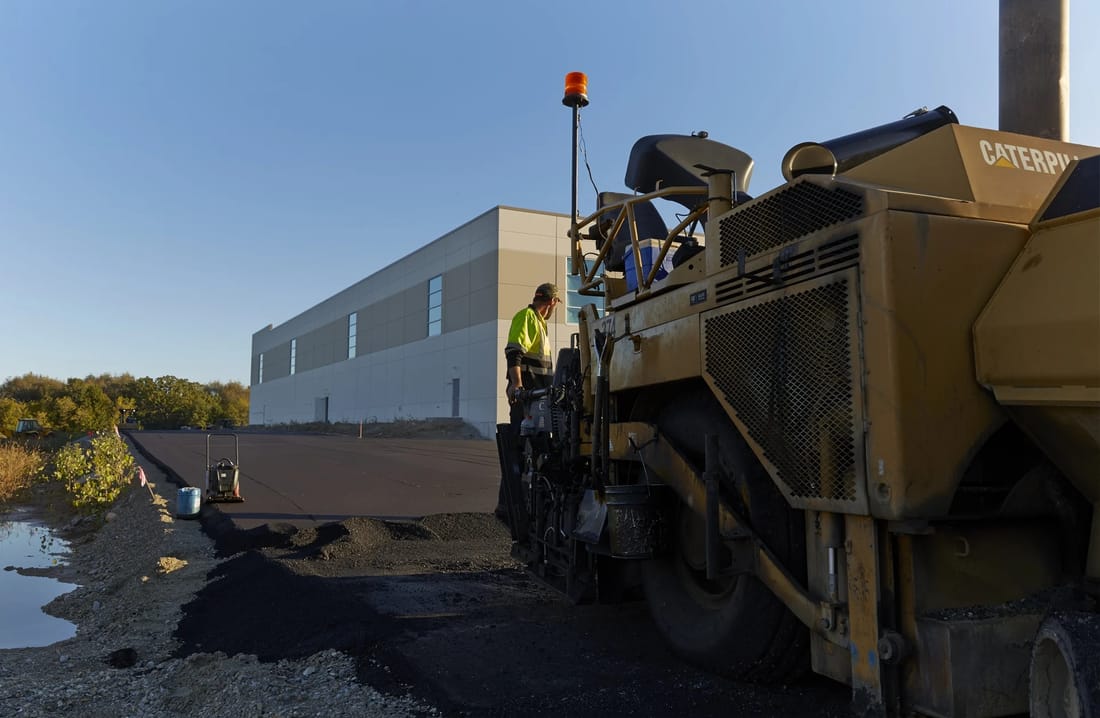
Fourth, we pave. For most commercial gravel-to-asphalt conversions in St Louis, we recommend at least 2 lifts of asphalt: a base course with a coarser mix for strength, and a finer surface course for smoothness and appearance. Thickness depends on use. Light car parking might be 3 to 3.5 inches total, while truck courts can go to 5 or more. We place the asphalt with a commercial paver, then compact it to a tight, even mat with steel and pneumatic rollers.
Finally, we finish details: sawcut transitions to existing concrete, raise manhole rings and valve boxes to match grade, stripe parking, and add any wheel stops or signage your layout requires. Before we leave, we walk the site with you to confirm slopes, access points, and traffic flow all match the plan.
Local Codes, Permits, and Practical St Louis Considerations
In many municipalities around St Louis County and the City of St Louis, converting gravel to asphalt is considered an improvement that can trigger plan review or permits. Precision Asphalt St. Louis helps you understand what your jurisdiction expects before you commit to the work.
Some cities require a simple paving permit and basic site sketch. Others, such as certain St Louis County municipalities, may ask for a drainage plan that shows how runoff will be handled once you replace permeable gravel with a more impervious asphalt surface. This sometimes includes verifying the capacity of existing inlets, requiring a stone infiltration trench at the edges, or confirming that water still flows away from neighboring properties.
If your commercial property sits in a business district or within a subdivision with an HOA-type board, there may also be requirements for parking counts, accessible spaces, signage, and drive approach widths. We regularly coordinate with property managers, architects, and civil engineers when a more formal submittal package is needed.
St Louis weather also matters. Our paving calendar is planned around freeze-thaw cycles and rain. For gravel-to-asphalt work, the base must be dry and stable. We avoid paving over saturated subgrade because that almost always leads to premature cracking and depressions. When necessary, we phase projects or install temporary rock stabilization to keep your lot usable until paving conditions are right.
We also pay attention to snow removal. If your lot is plowed, we design the asphalt layout, curb placements, and striping so that snow can be pushed to logical storage areas without tearing up edges or blocking drains.
What Drives Cost and How to Get the Most Value
Two gravel lots of the same size can have very different conversion costs. Precision Asphalt St. Louis walks you through the cost drivers so you can make informed decisions.
Base correction is the biggest variable. If your existing gravel is deep, well compacted, and generally draining, we may only need to regrade and add a modest amount of new rock. If the lot has thin gravel, visible mud, or deep ruts that hold water, we will need more excavation and new aggregate. This adds some upfront cost but usually saves you money over the life of the pavement.
Intended traffic volume and weight come next. An employee parking lot for a small office can often use a thinner asphalt section than a manufacturing plant that sees daily tractor-trailer traffic. We will never push a “one size fits all” section. Instead, we show you options, such as upgrading only the truck routes and loading areas while keeping more moderate sections in car-only parking.
Layout changes can also influence cost. Conversions are a good time to fix poor traffic patterns. Adding a drive lane, changing parking angles, or widening an entrance can all require extra grading and asphalt, but they can also increase capacity and reduce fender benders. We can present a base option that largely follows your existing footprint and then alternates that optimize flow and safety.
To stretch your budget, we may phase the work. For example, year one could tackle primary customer parking and accessible spaces, while year two upgrades overflow parking or rear service areas. Another approach is to design the base and first asphalt lift for the full long-term section, then add a final surface lift later. This lets you start using the lot sooner without compromising structure.
We also discuss long-term maintenance costs. While asphalt requires sealcoating and crack repair over time, you will likely eliminate frequent regrading, dust control treatments, and constant gravel top-offs. Over a 10-year span, that can significantly offset your initial investment.
Design Options, Common Issues, and How We Prevent Problems
A commercial gravel-to-asphalt conversion is a chance to rethink how your property works day to day. Precision Asphalt St. Louis helps you choose the right mix design, layout, and finishing details so your new lot functions smoothly.
For driving and parking areas, we typically use a dense-graded surface mix that balances durability with appearance. In heavy truck areas, we may specify a slightly coarser surface mix that resists shearing from tight turns. In high-visibility front entries, we can tighten up the mix for a smoother, darker look that highlights striping.
We also look at pedestrian routes. If people walk from street parking to your entrance, we align accessible routes with curb ramps, crosswalks, and door thresholds. We ensure slopes meet ADA criteria and that water drains away from entries so you are not dealing with winter icing in front of your doors.
Common problems on poorly executed conversions include reflective cracking over weak areas, ponding water along the building, and early rutting where trucks turn. We prevent these with thorough base repair in soft zones, precise fine grading that is checked before paving, sufficient asphalt thickness in turning areas, and attention to compaction joints so seams do not become weak lines.
We also talk through protection and cure time. Although asphalt is usable soon after compaction, we often recommend delaying heavy truck traffic 24 to 48 hours in warm weather so the mat has time to cool and harden. For striping, we typically return within a short window after paving, when the surface is firm enough to take paint cleanly without tracking.
Finally, we leave you with a simple maintenance plan: when to schedule your first sealcoat based on St Louis traffic and sun exposure, what to watch for after major storms, and how to handle fuel or oil spills so they do not damage the surface. Our goal is that you not only get a successful conversion today, but also know exactly how to keep it performing for years.